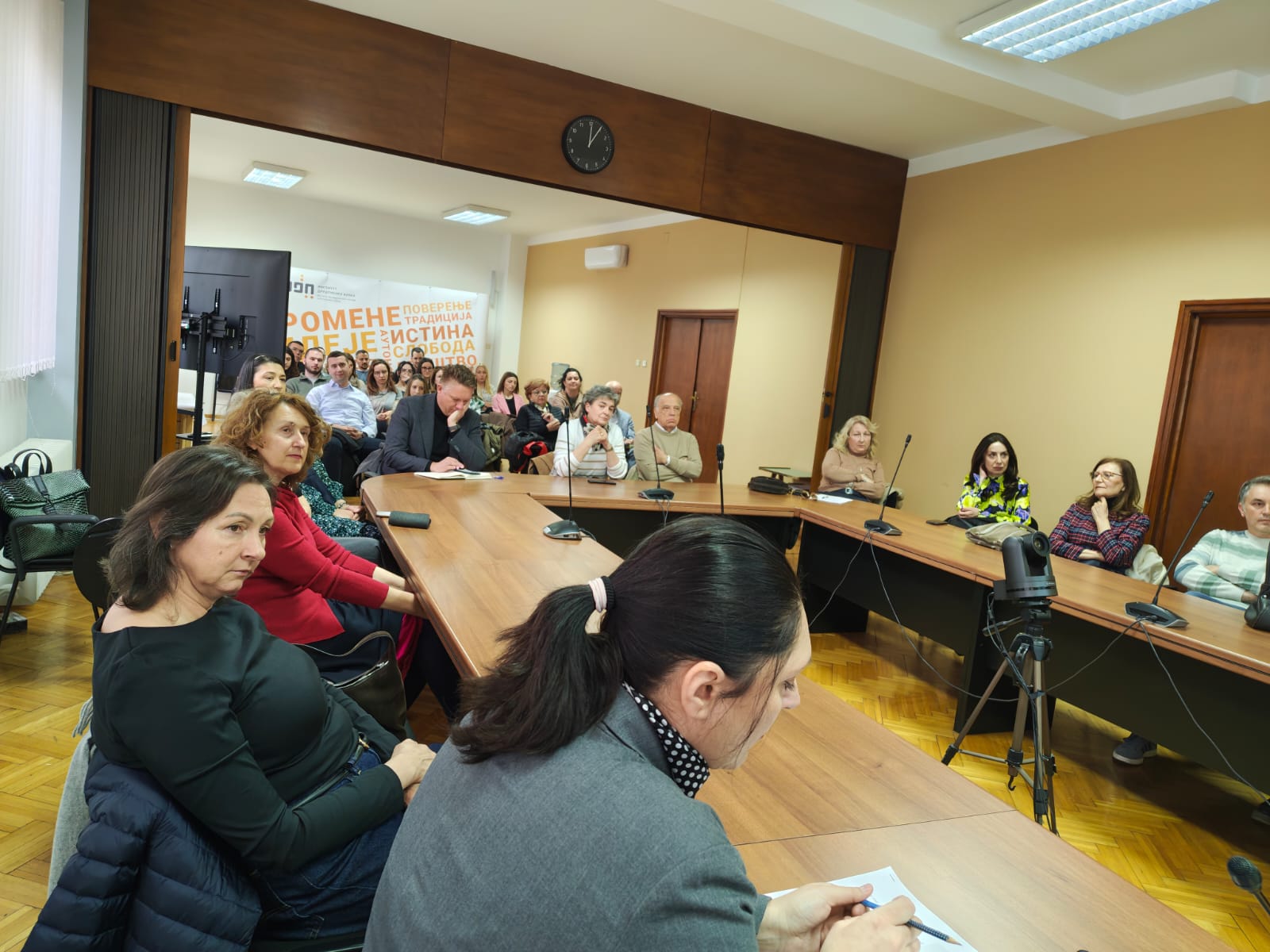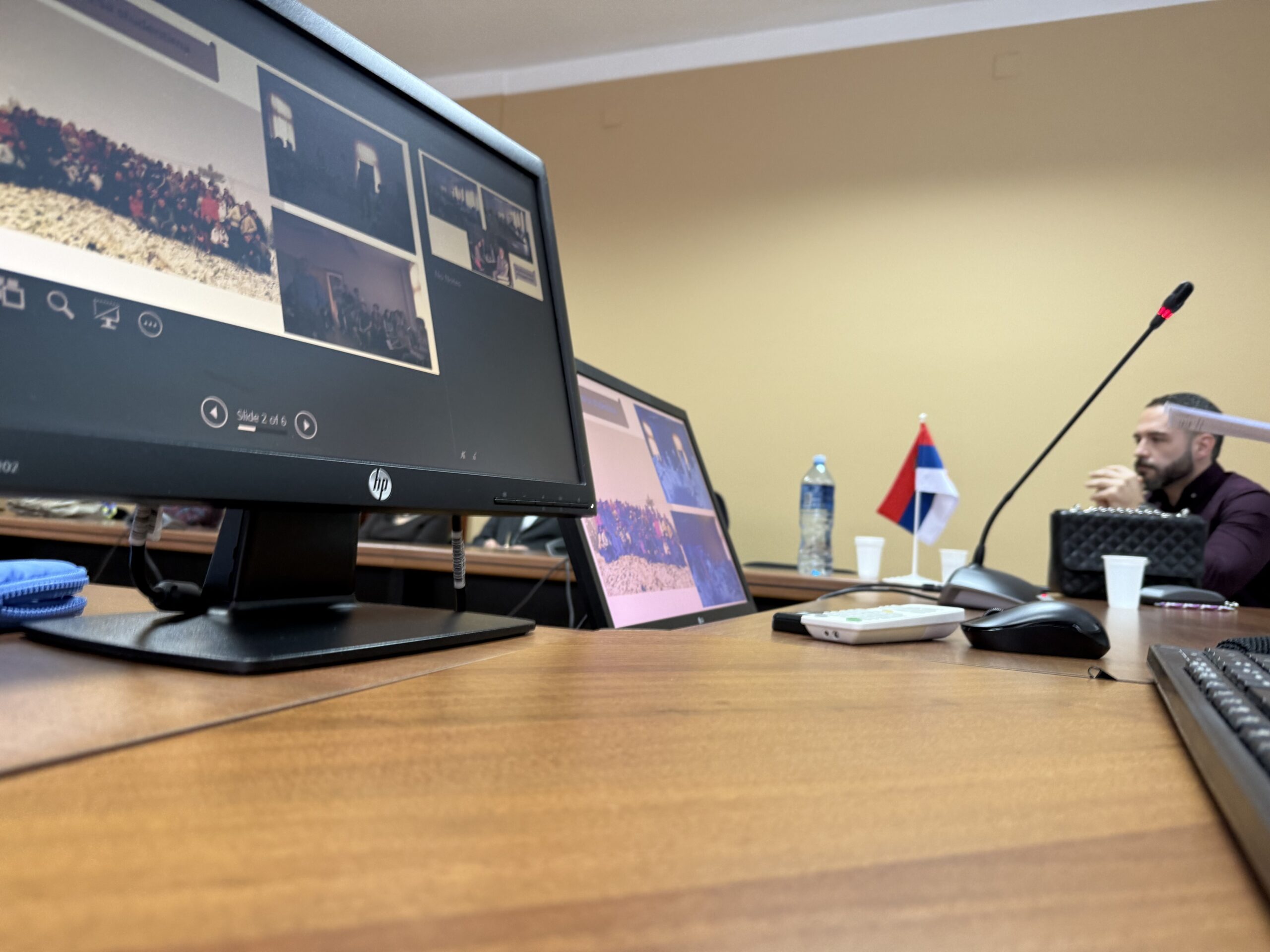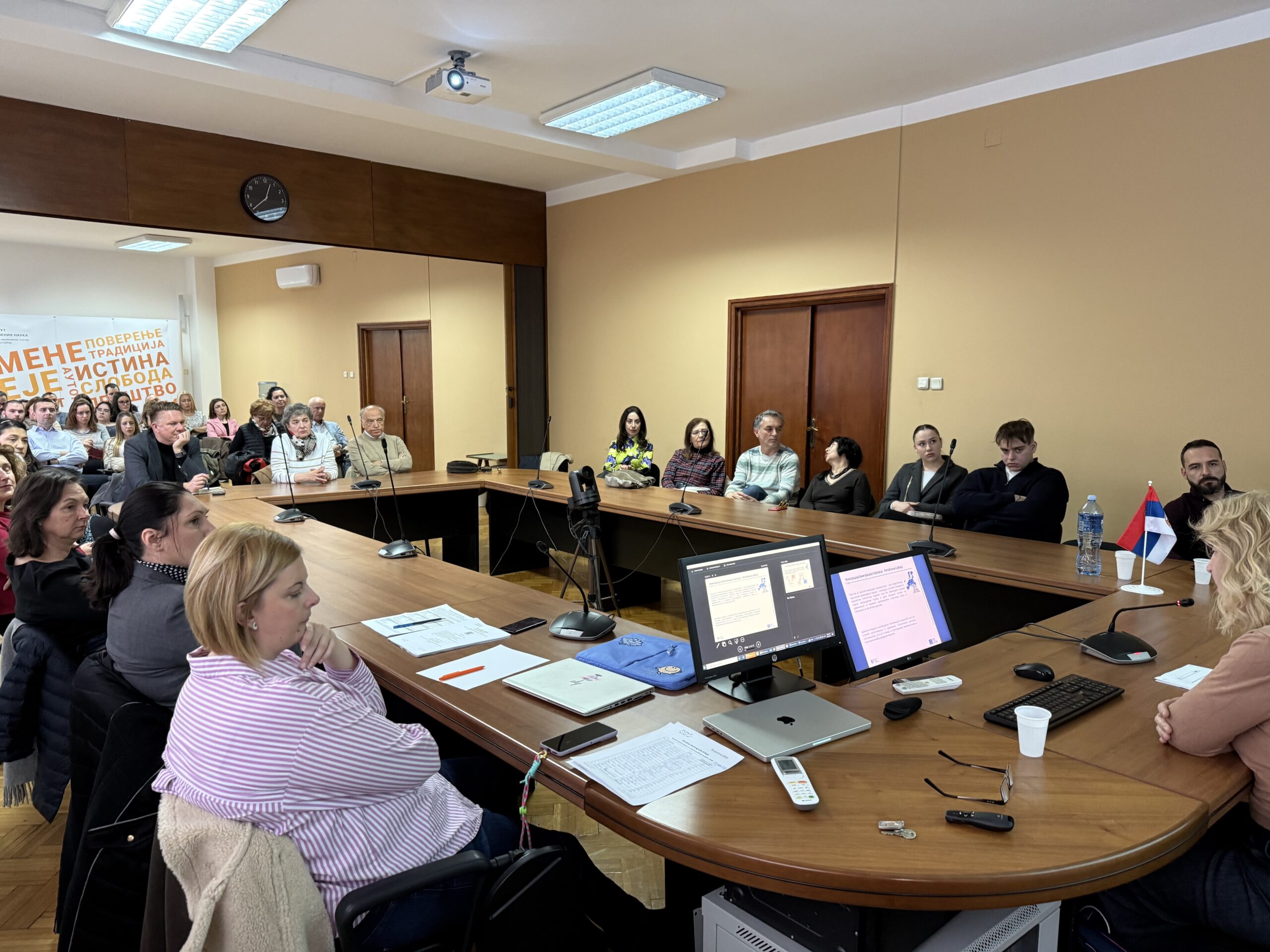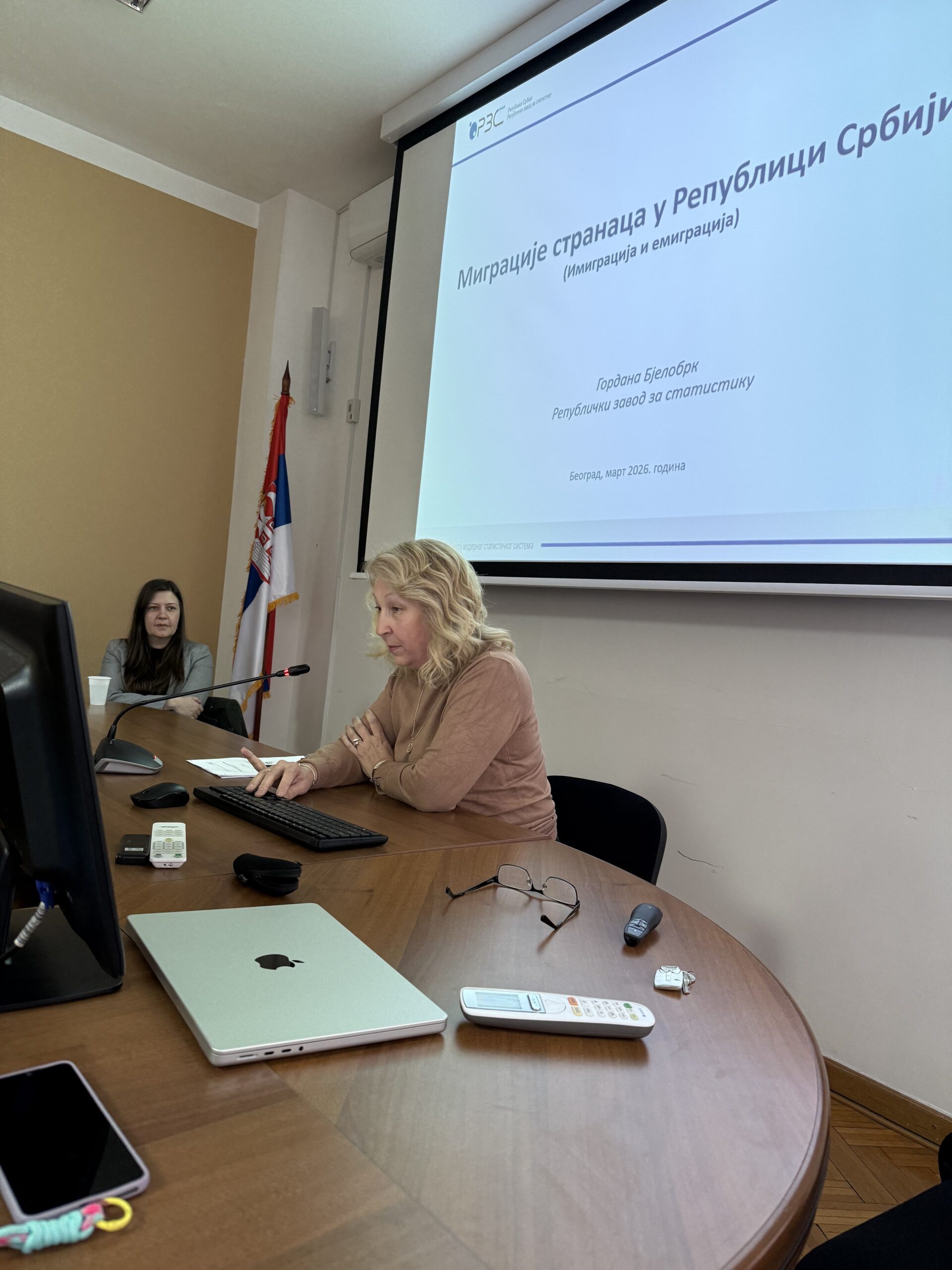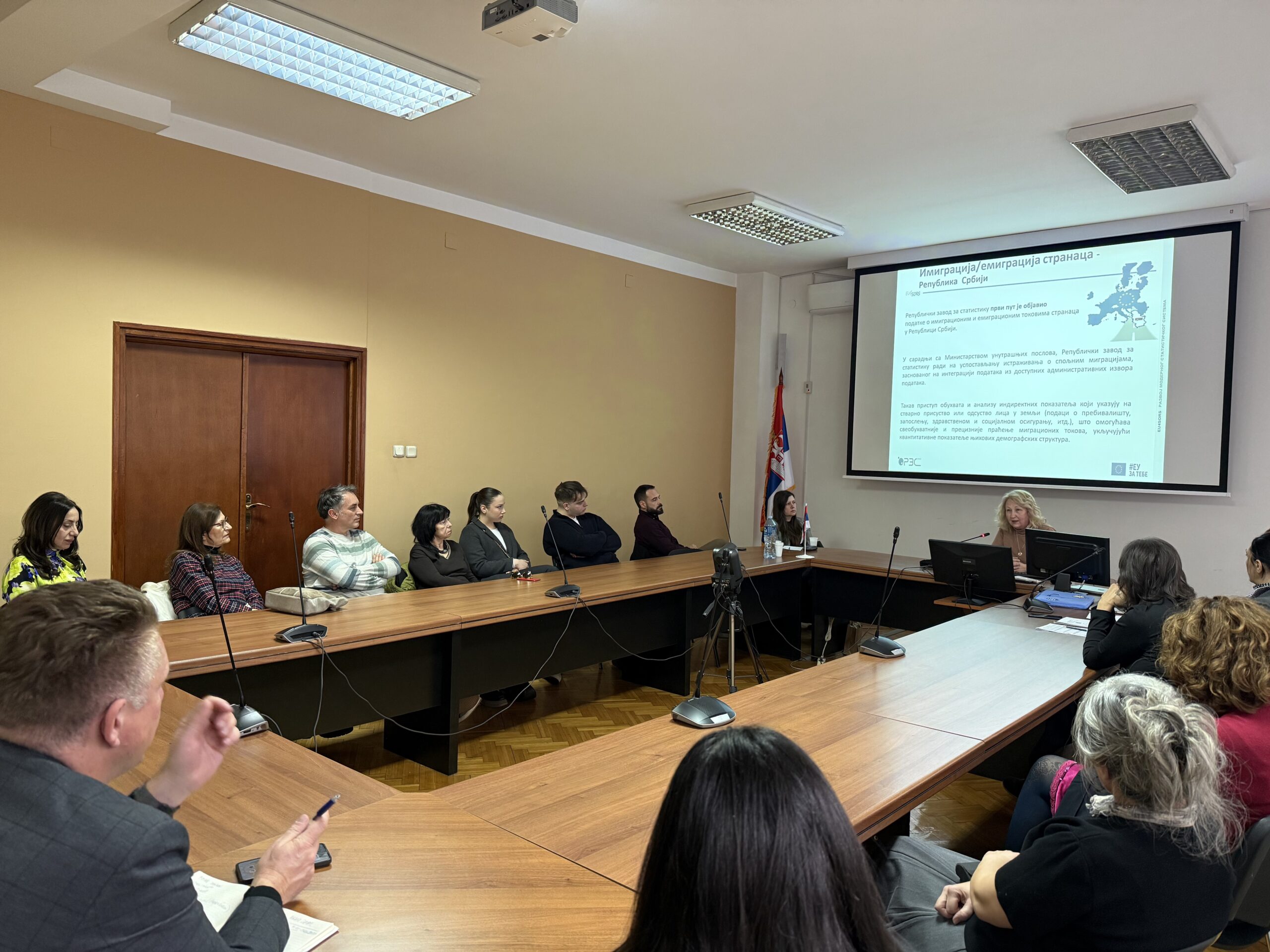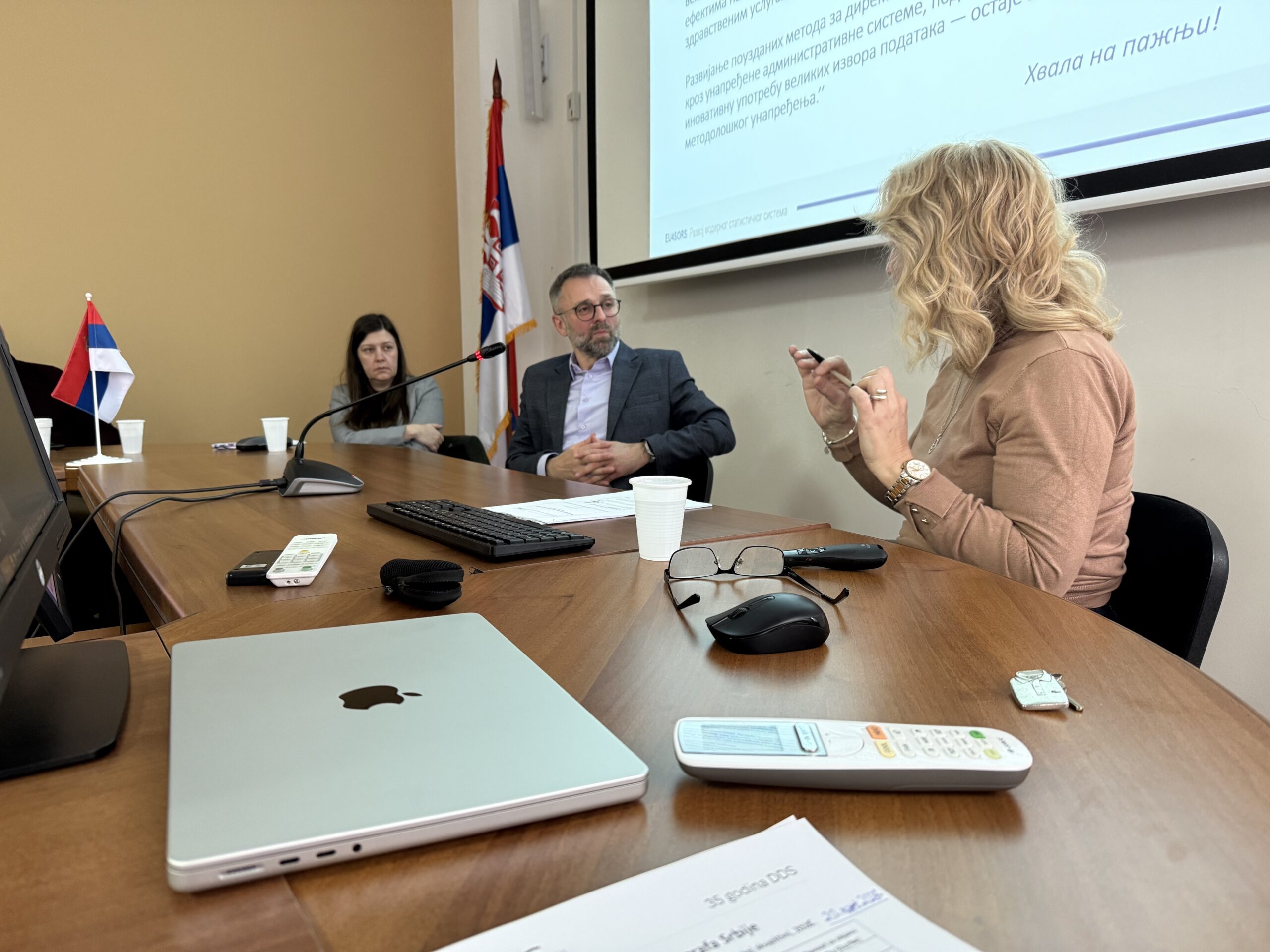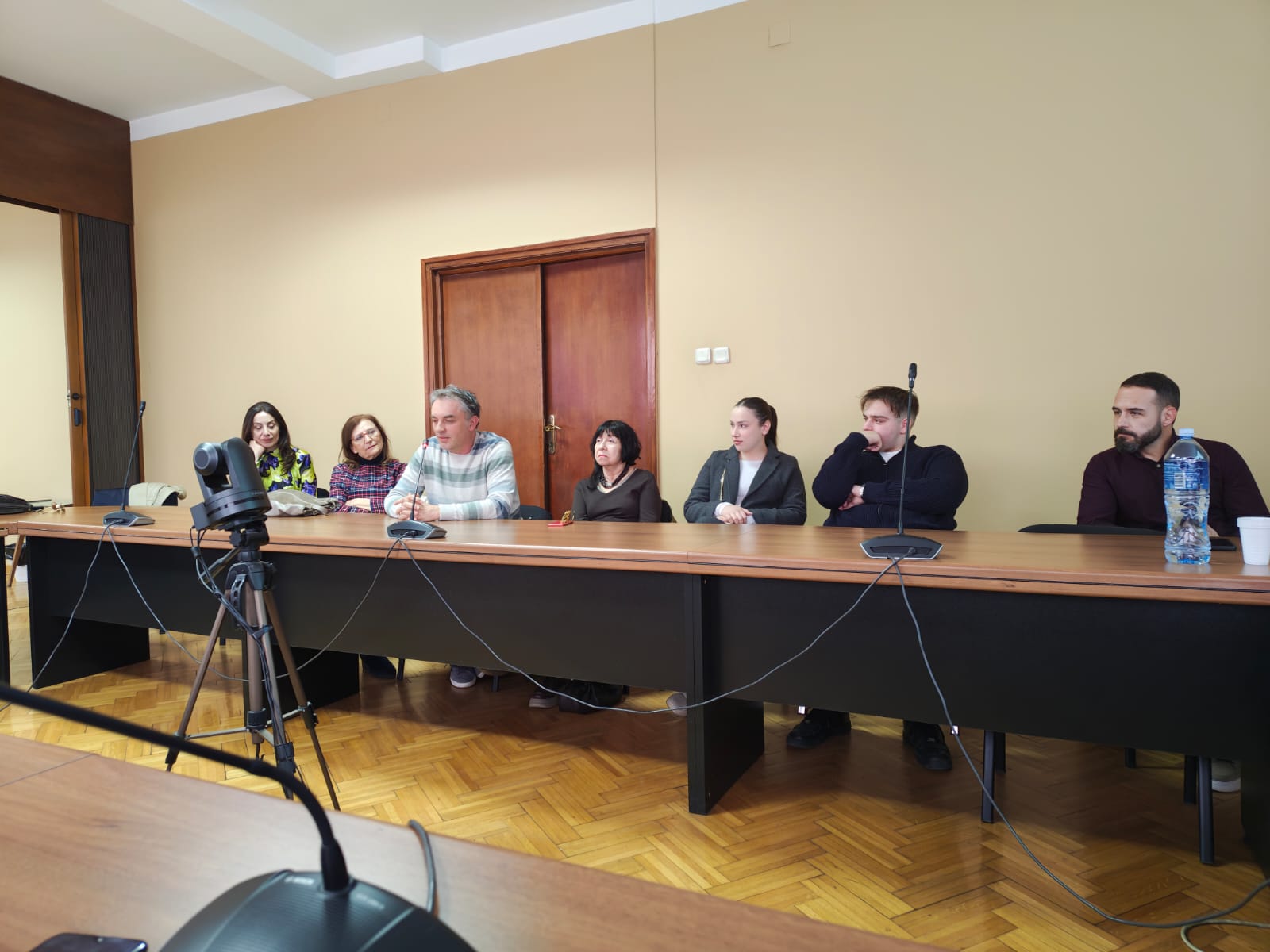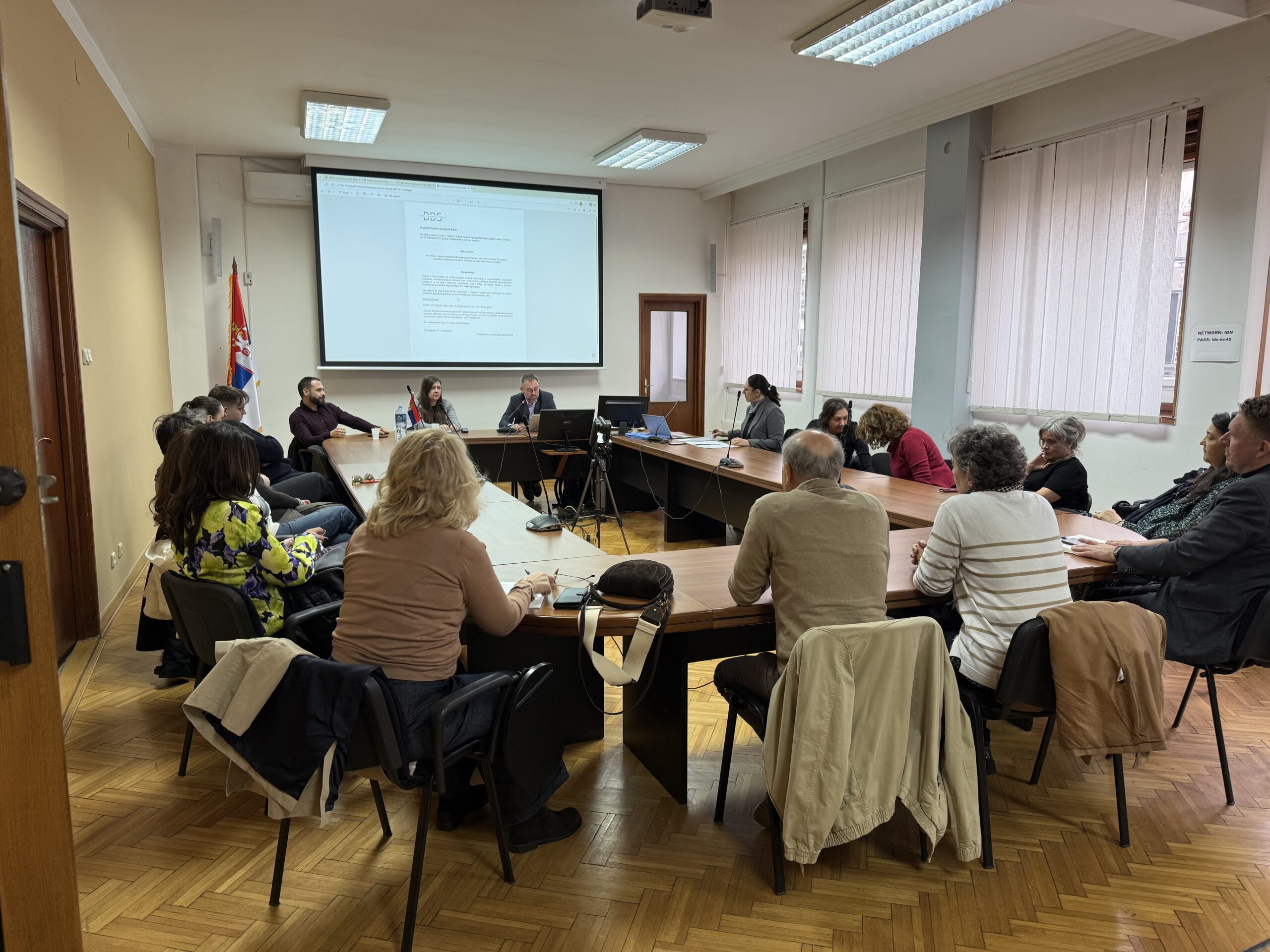
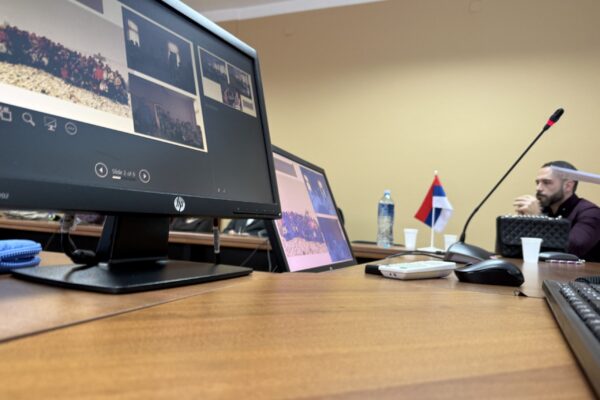
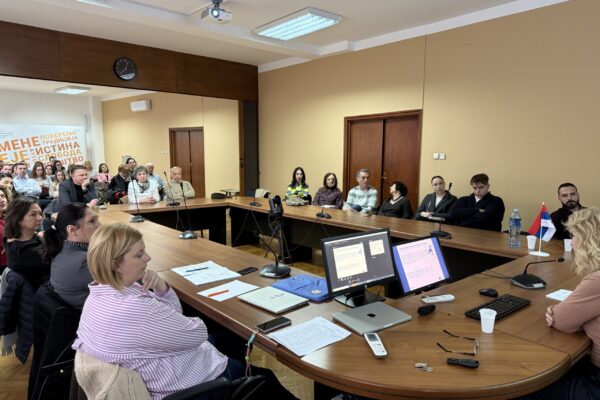
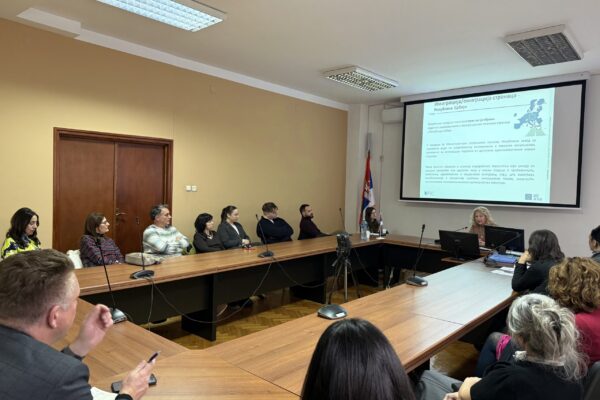
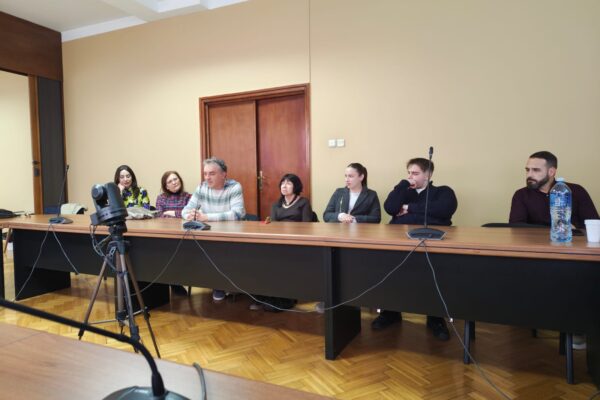
The Annual Assembly of the Association of Demographers of Serbia took place on March 20, 2026 at the Association’s headquarters.
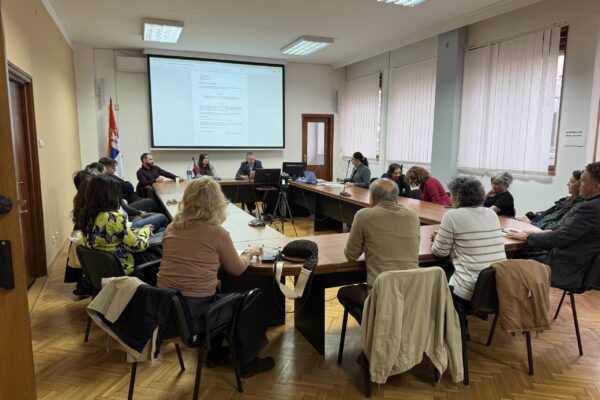
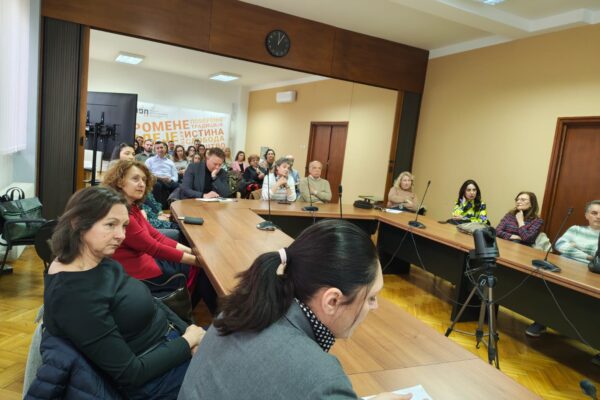
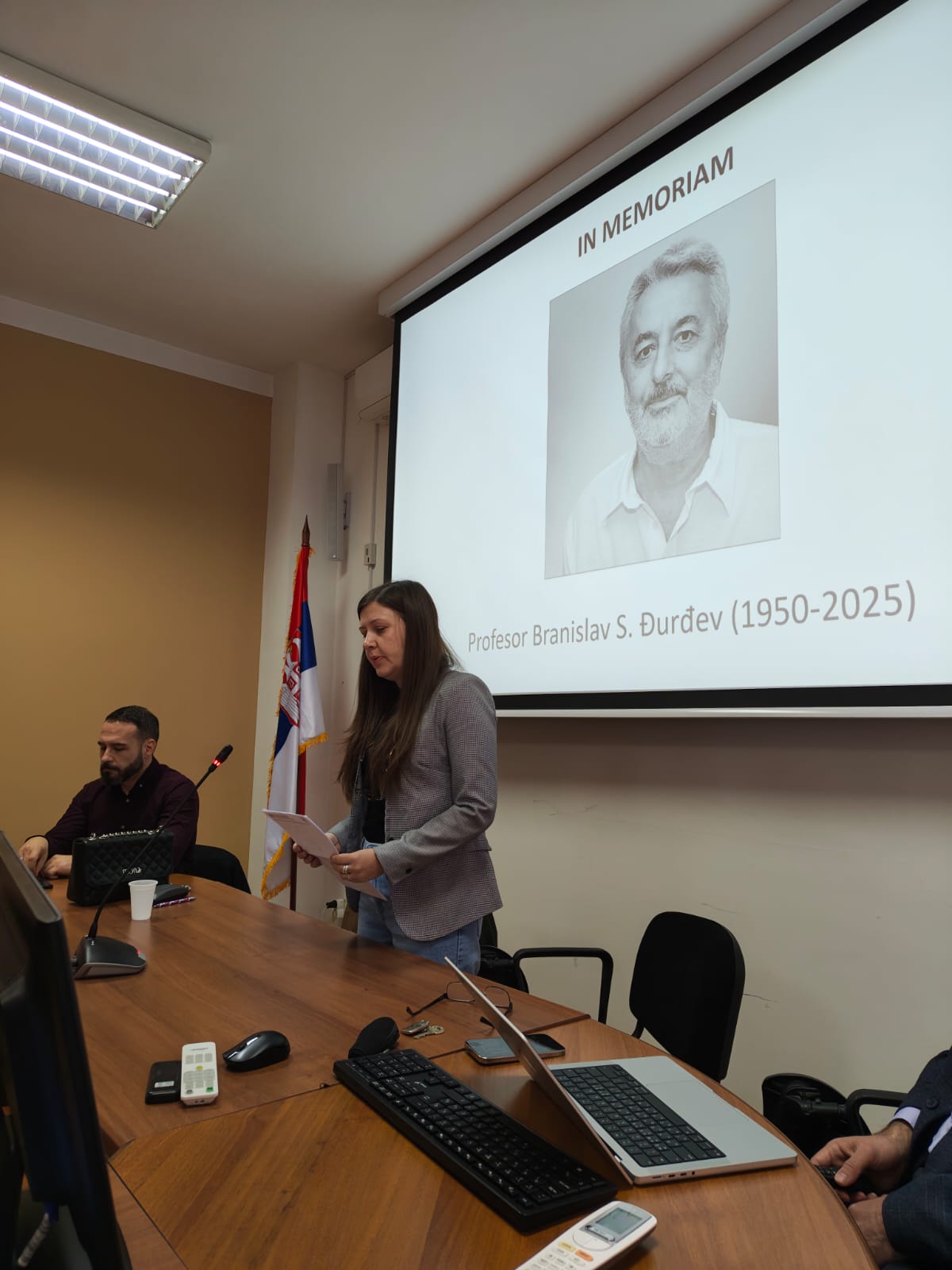
At the start, regular members observed a minute of silence in memory of Professor Branislav Đurđev, acknowledging his contributions as a former president and prominent member. Following this, Vice President Professor Daniela Arsenović spoke about Professor Đurđev’s dedication, especially during his presidency of the Association.
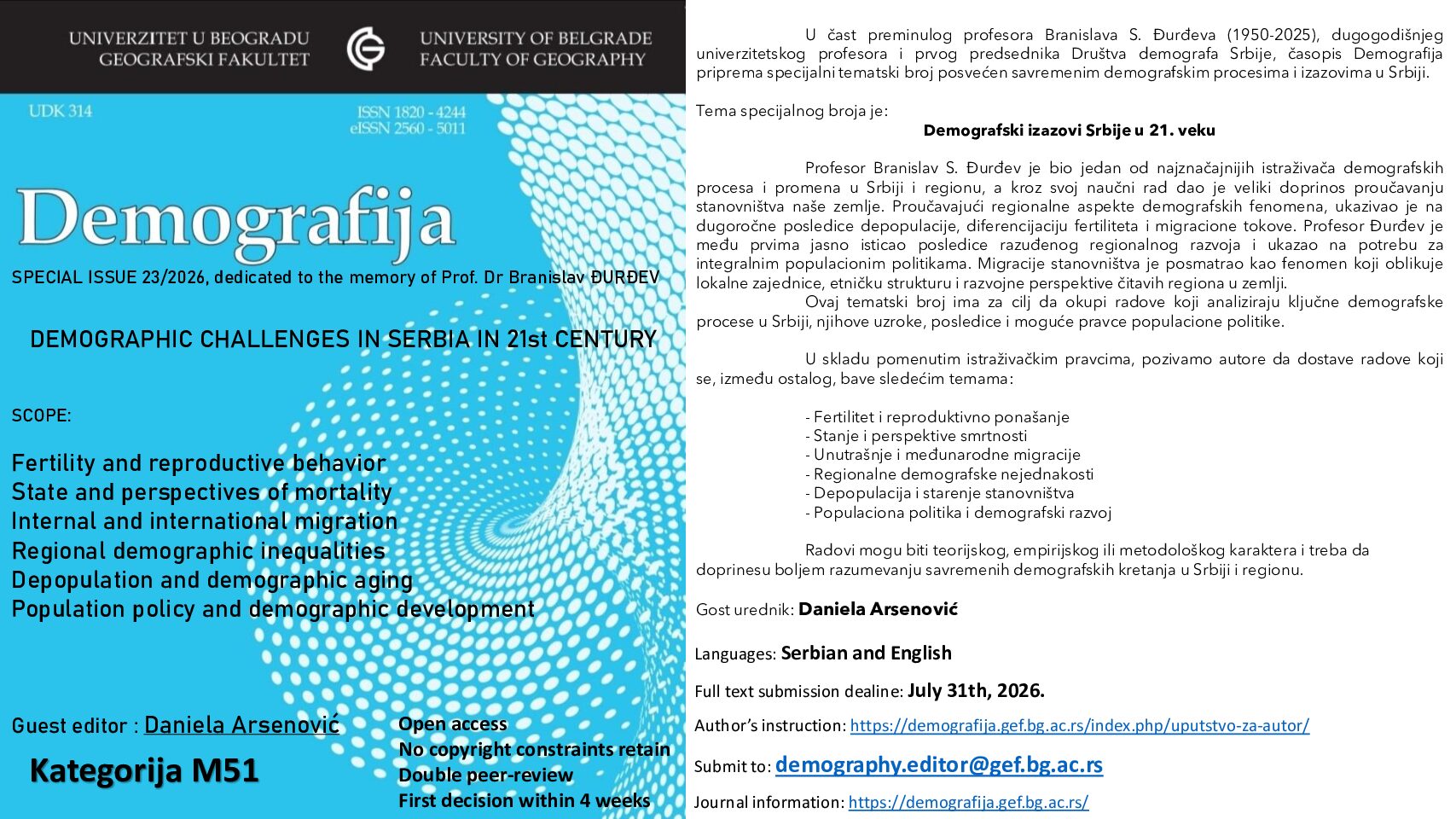
Wrapping up this segment, Dr. Petar Vasić—Executive Board member and editor of the journal Demografija, published by the Faculty of Geography at the University of Belgrade—announced that a special issue honoring Professor Đurđev would be prepared and published within the year. All members are encouraged to submit papers for this issue.
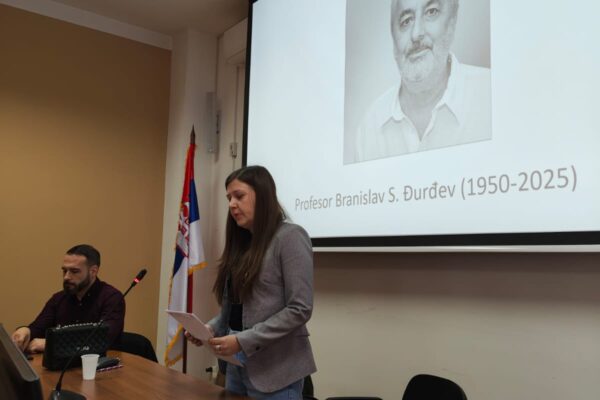

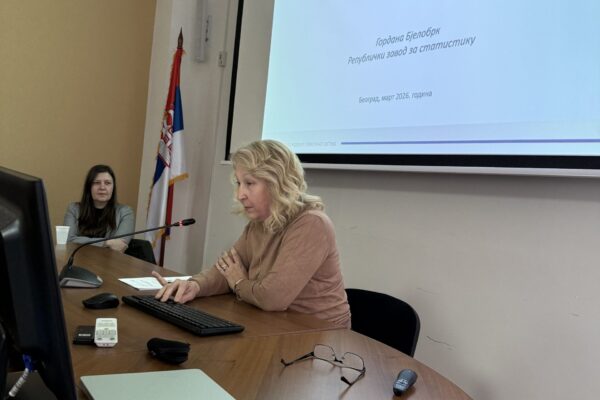
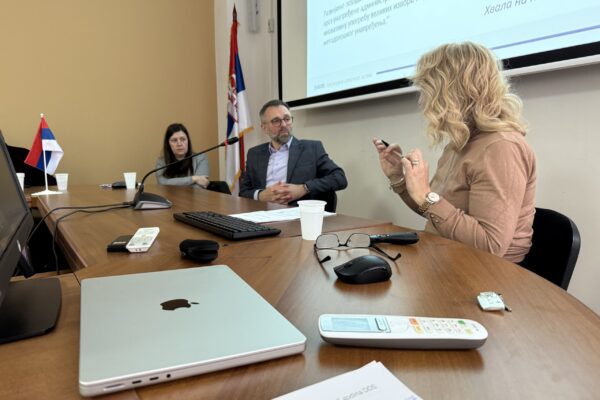
The Chairman presented a comprehensive report on the Association’s activities between assemblies, highlighting:
- Membership consolidation and rejuvenation,
- Significant institutional support through collective membership fees (from the Statistical Office of the Republic of Serbia and the Faculty of Geography, University of Belgrade),
- High membership fee payment rate (95%),
- Consistent Executive Board operations, both in-person and online,
- Launching a new panel format, Demographic Forum, held live at the Center for the Promotion of Science twice yearly
- Enhanced administrative procedures (such as adopting e-invoices and changing the commercial bank),
- Growth in foreign membership,
- Improvements to the DDS website and membership register,
- Increased visibility and greater participation in developing strategic public policy documents.
Dr. Vlasta Kokotović Kanazir, Secretary of DDS, reported that the Association remains financially stable, primarily funded by membership fees.
Looking ahead to the next Assembly, the Chairman detailed the planned work program, which includes:
- Continuing live Demographic Forum, proven to be effective,
- Maintaining the established dynamics and schedule of annual DDS events — Assembly, two Demographic Forums, and New Year’s gathering,
- Planning the regular DDS conference in April 2028, designated as a major future activity,
- Securing additional funding and donations,
- Building capacity for project participation and other activities,
- Expanding cooperation with national and regional institutions and organizations,
- Creating a DDS Award for Contributions to Demography, to be presented every four years at the Association’s conference,
- Further development of the DDS web platform, introducing member profiles to foster networking and showcase the Association’s benefits.
The proposal to amend the Statute, enabling remote decision-making via digital communication tools for more efficient operations and quicker decisions, received unanimous approval. This change is expected to make the Association’s work more flexible and transparent, and to encourage greater member involvement in Assembly decisions.
Finally, members were informed of the notable achievement of the international journal Stanovništvo, now listed in the ESCI Web of Science. This marks a significant advancement for the Association as a co-publisher, and for demographic science in Serbia. Dr. Ivan Marinković and his editorial team were commended, and continued support for the journal’s development was expressed.


Published: 26.3.2026.
Photo & video: DDS