Demographic Forum, June 18, 2026: Spatial Interpretations – What Do GRID Data Tell Us?


Organised by the Association of Demographers of Serbia, the third panel in the Demographic Forum series, entitled “Spatial Interpretations – What Do GRID Data Tell Us?”, was held on 18 June 2026 at the Science Club of the Centre for the Promotion of Science. The panel brought together experts in demography, spatial planning and official statistics, with the aim of opening a discussion on contemporary spatial data and their role in understanding demographic and spatial processes.
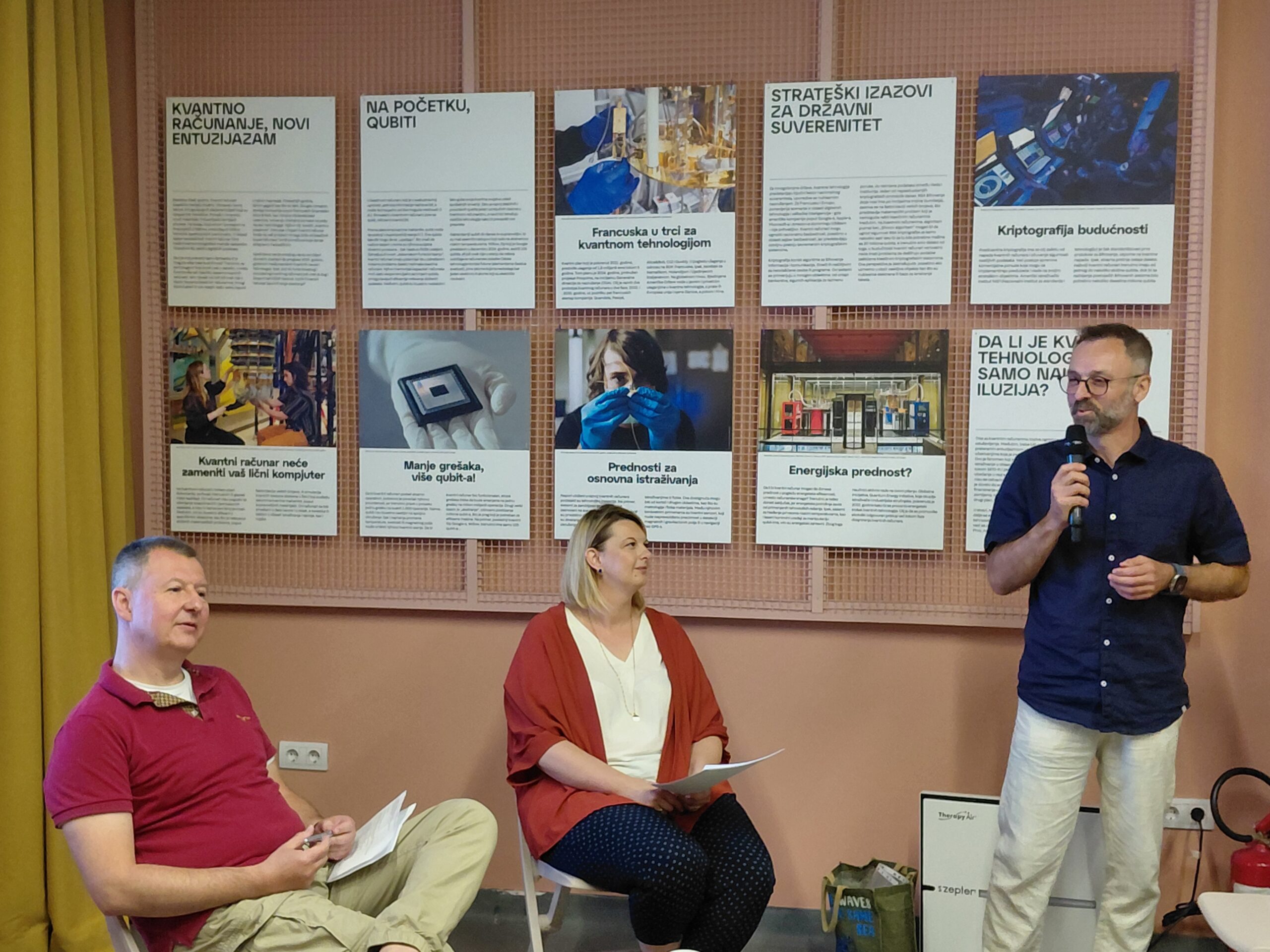
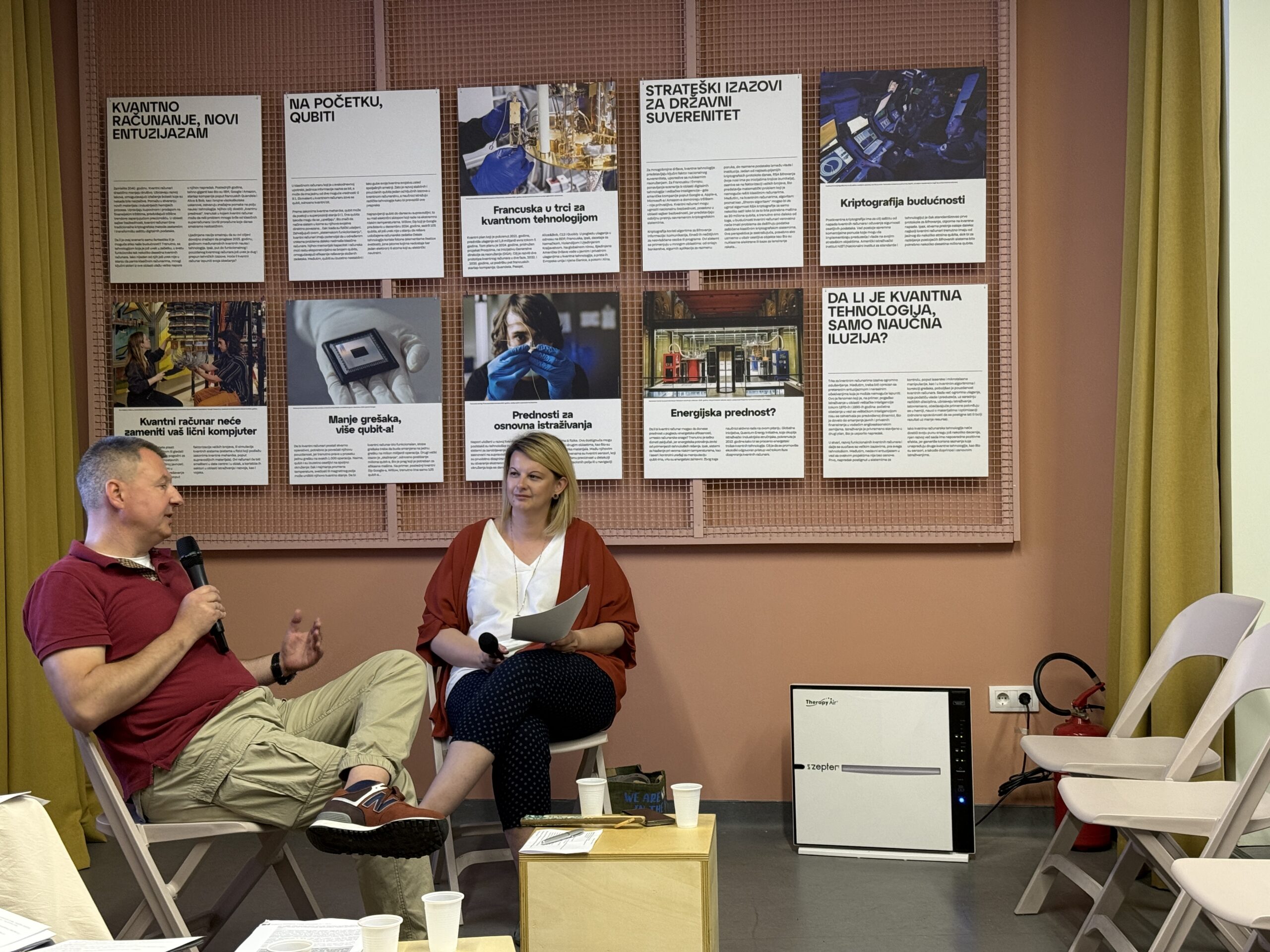
Following a brief welcome address by Dr Vladimir Nikitović, President of the Association of Demographers of Serbia, the panel discussion was moderated by Dr Vlasta Kokotović Kanazir, Research Associate at the Geographical Institute “Jovan Cvijić” of the Serbian Academy of Sciences and Arts. The panellists were Dr Marija Drobnjaković, Senior Research Associate at the Geographical Institute “Jovan Cvijić” of the Serbian Academy of Sciences and Arts; Dr Nikola Krunić, Principal Research Fellow at the Institute of Architecture and Urban & Spatial Planning of Serbia; and Milutin Radenković, Expert Associate at the Statistical Office of the Republic of Serbia.
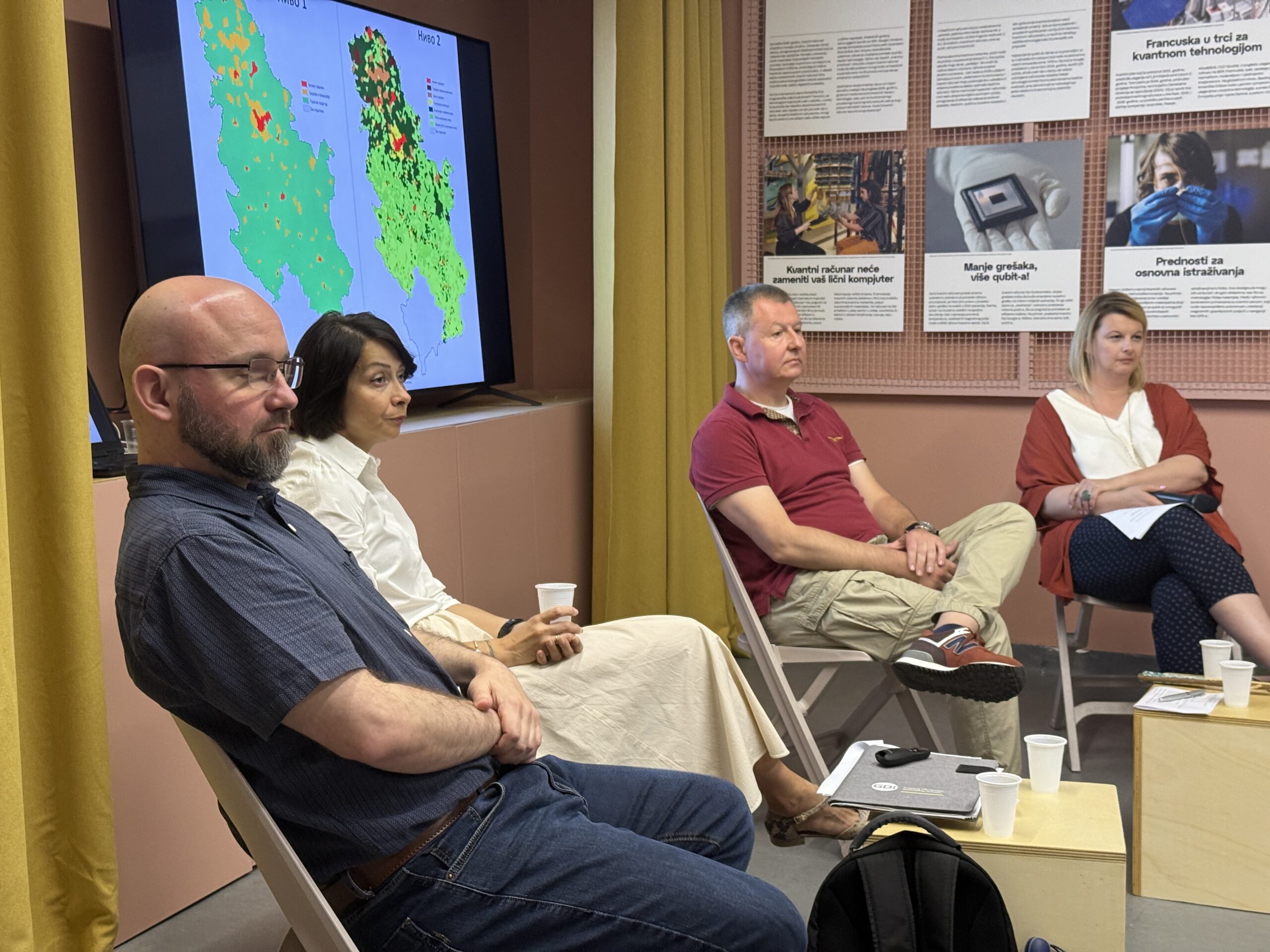
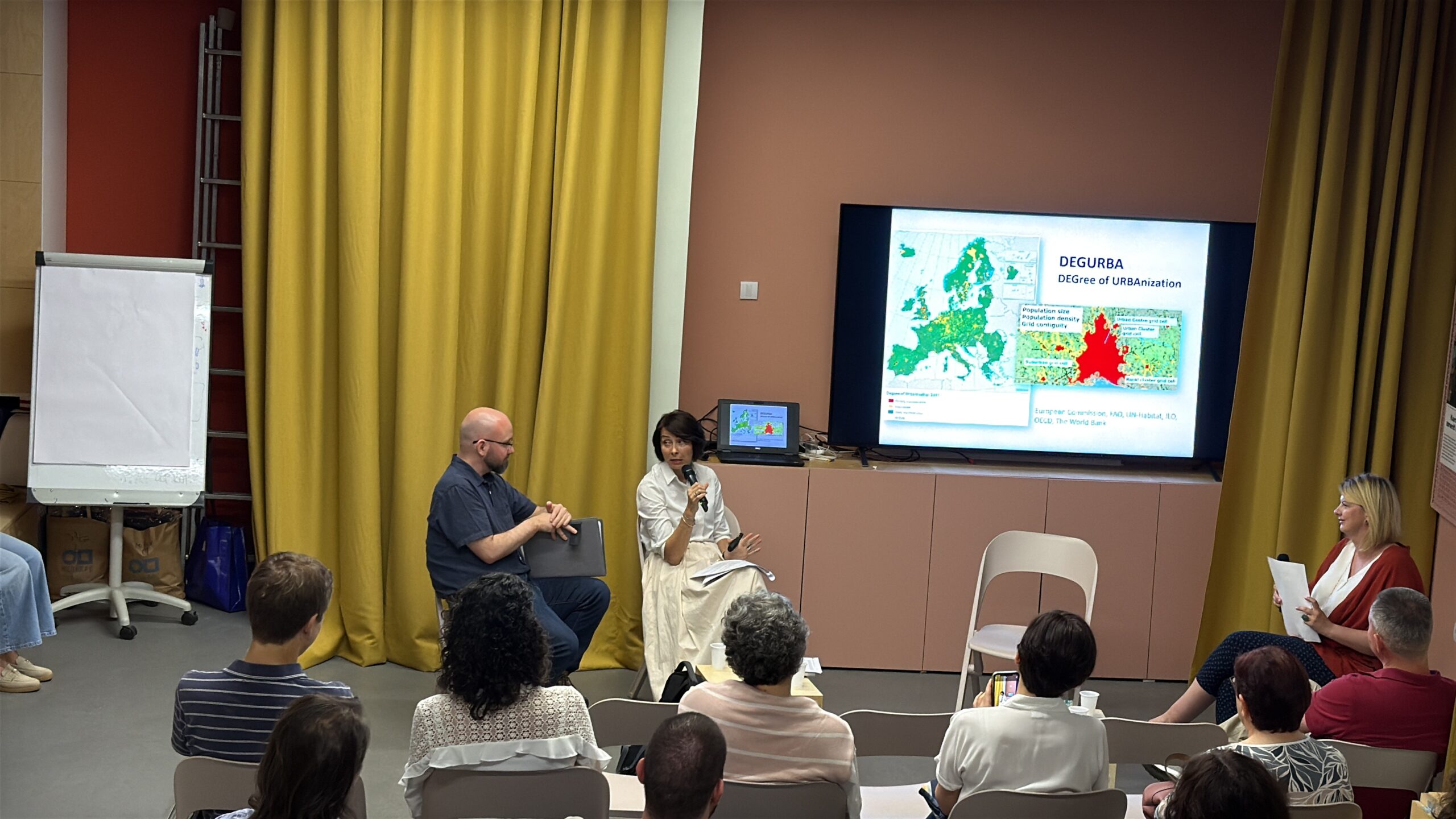
Panelists on spatial data
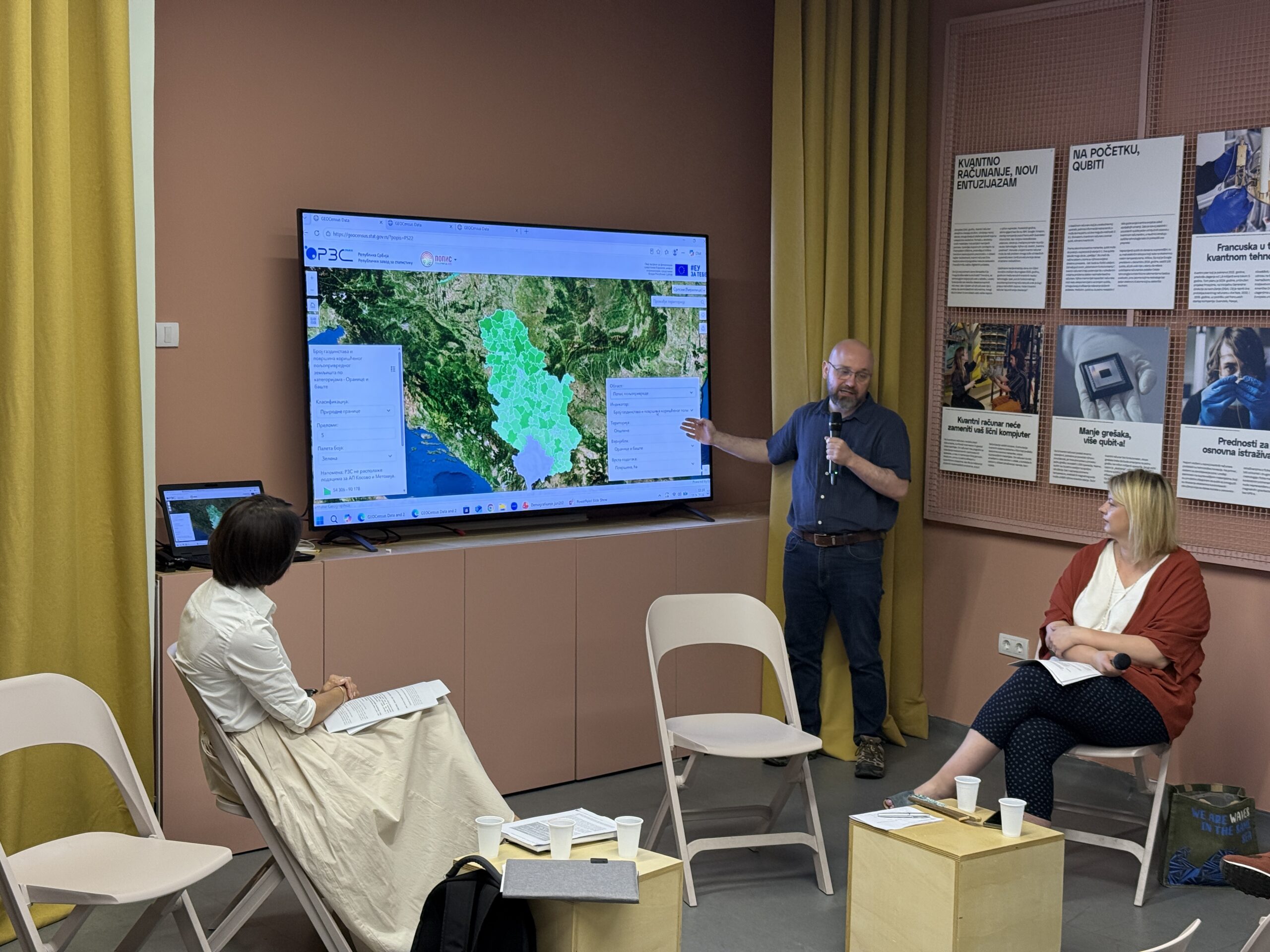
The first part of the panel was dedicated to presenting the Geoportal of the Statistical Office of the Republic of Serbia and the possibilities offered by GRID data. Participants had the opportunity to learn how spatial statistical data are collected, organised and made available to researchers and the wider public, as well as about the new analytical possibilities opened up by this approach.
The central part of the discussion focused on the DEGURBA methodology, an international framework for classifying urban and rural areas based on GRID data. The panellists considered the reasons for introducing this approach, its advantages over traditional administrative divisions of space, as well as the challenges involved in its application in countries with a specific settlement network, such as Serbia. Particular attention was paid to the extent to which contemporary methodologies are able to recognise the spatial and functional specificities of settlements, as well as to the possibilities for improving them by linking statistical data with the experience of spatial planning and demographic research.
In the final part of the panel, the discussion turned to the practical application of GRID data and the DEGURBA methodology in scientific research, spatial planning and public policy-making. It was emphasised that such data enable a more detailed understanding of settlement patterns, more precise planning of infrastructure and public services, and a better understanding of the processes of urbanisation, suburbanisation and depopulation. At the same time, the panellists pointed to the need for careful interpretation of results and for adapting international methodological frameworks to the specific characteristics of national space.
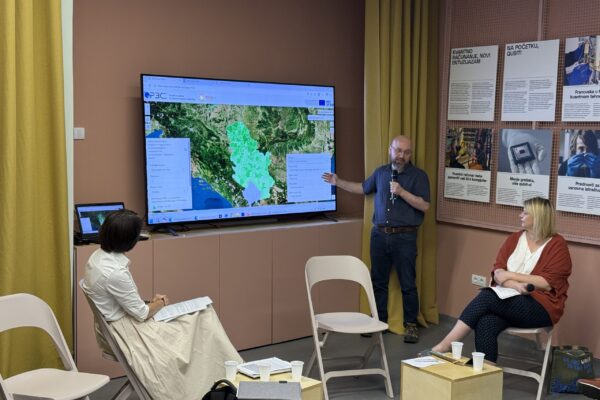

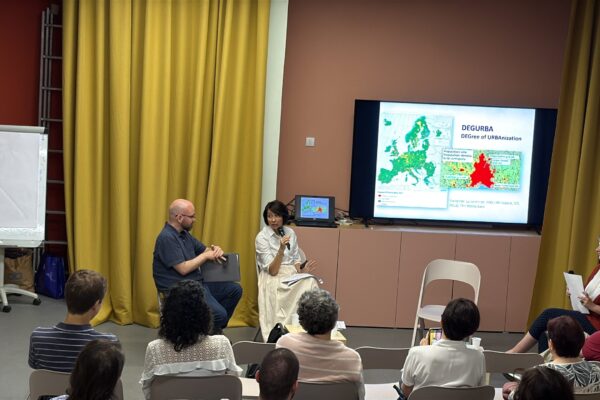
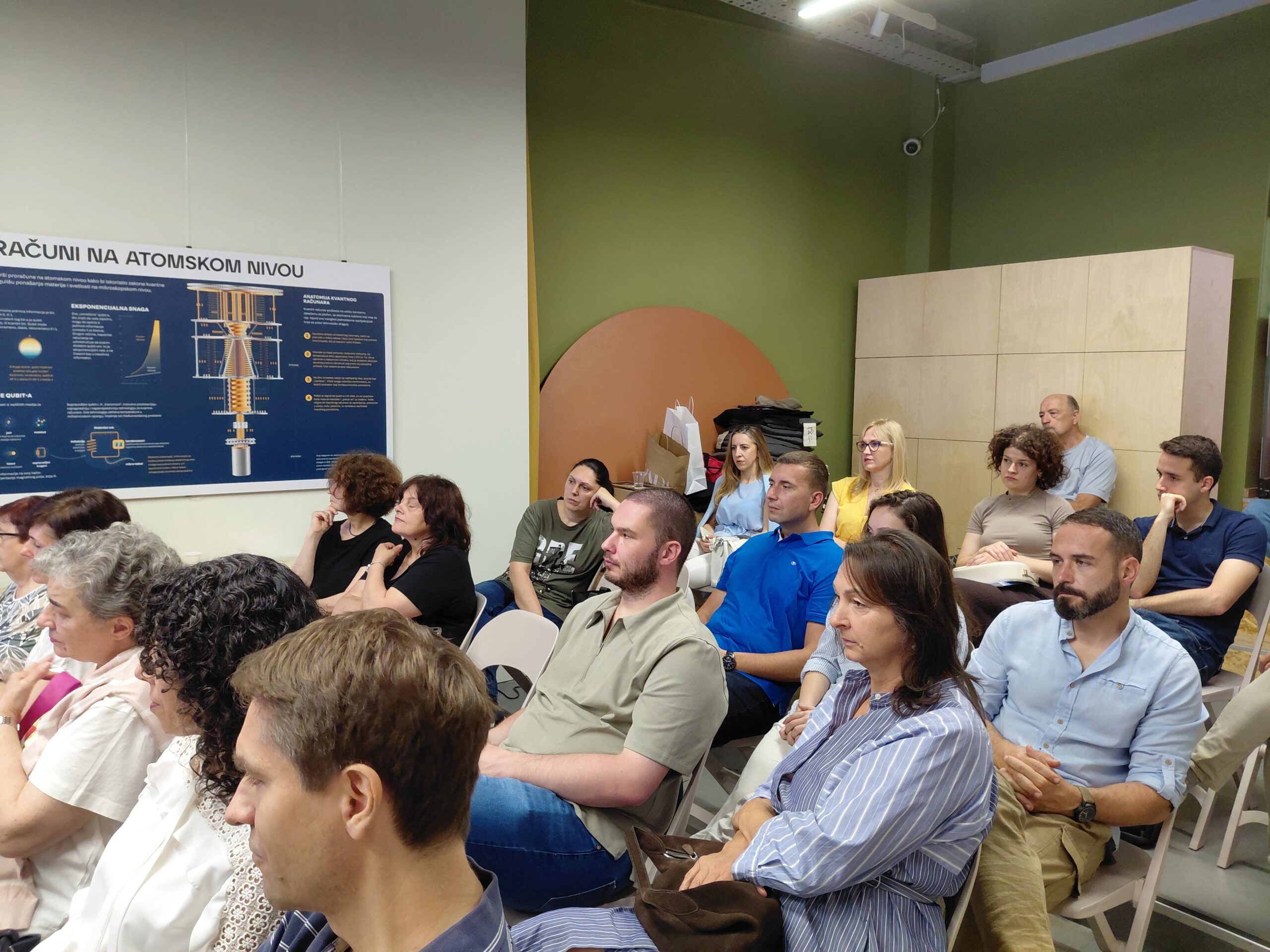
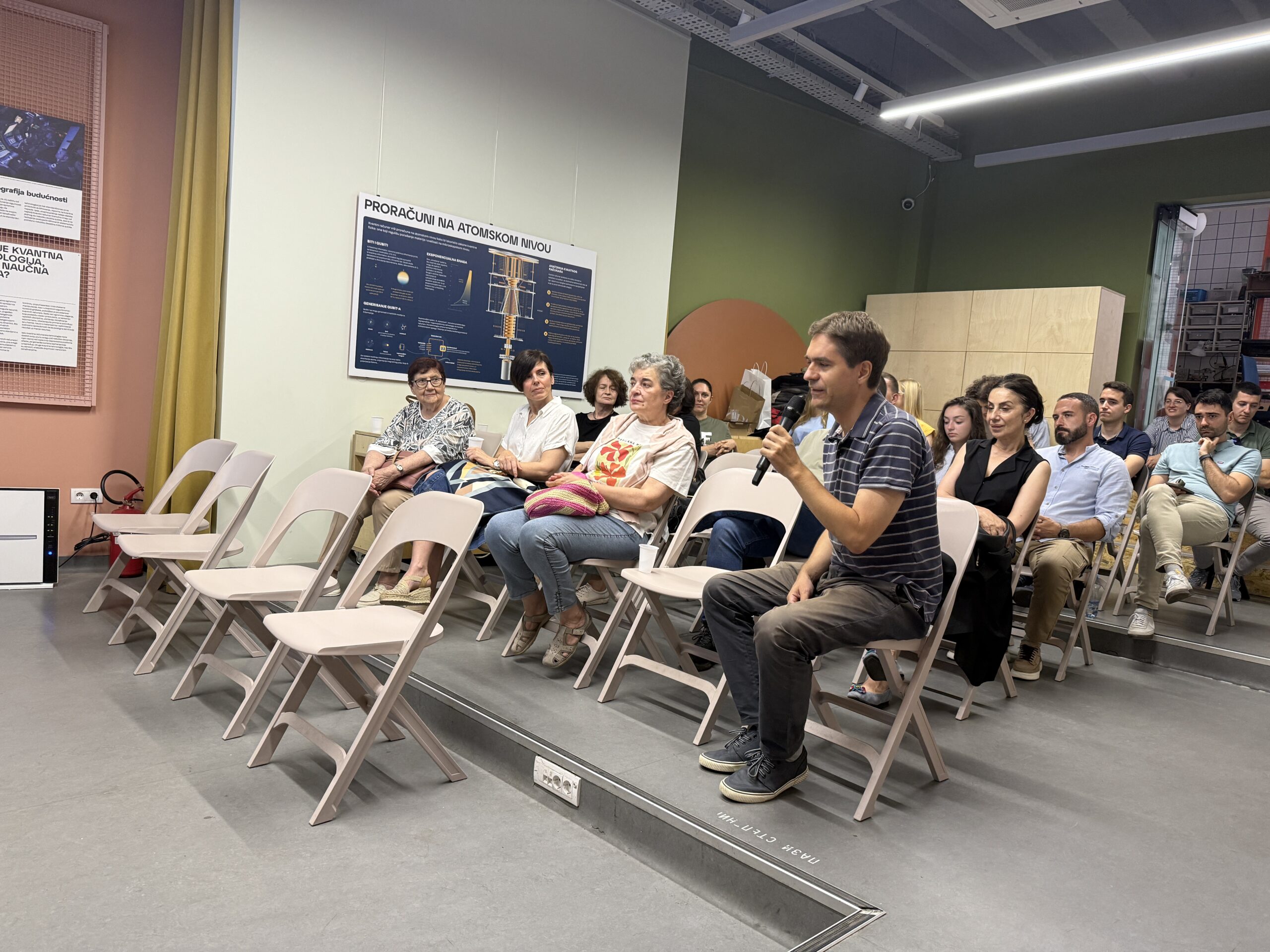
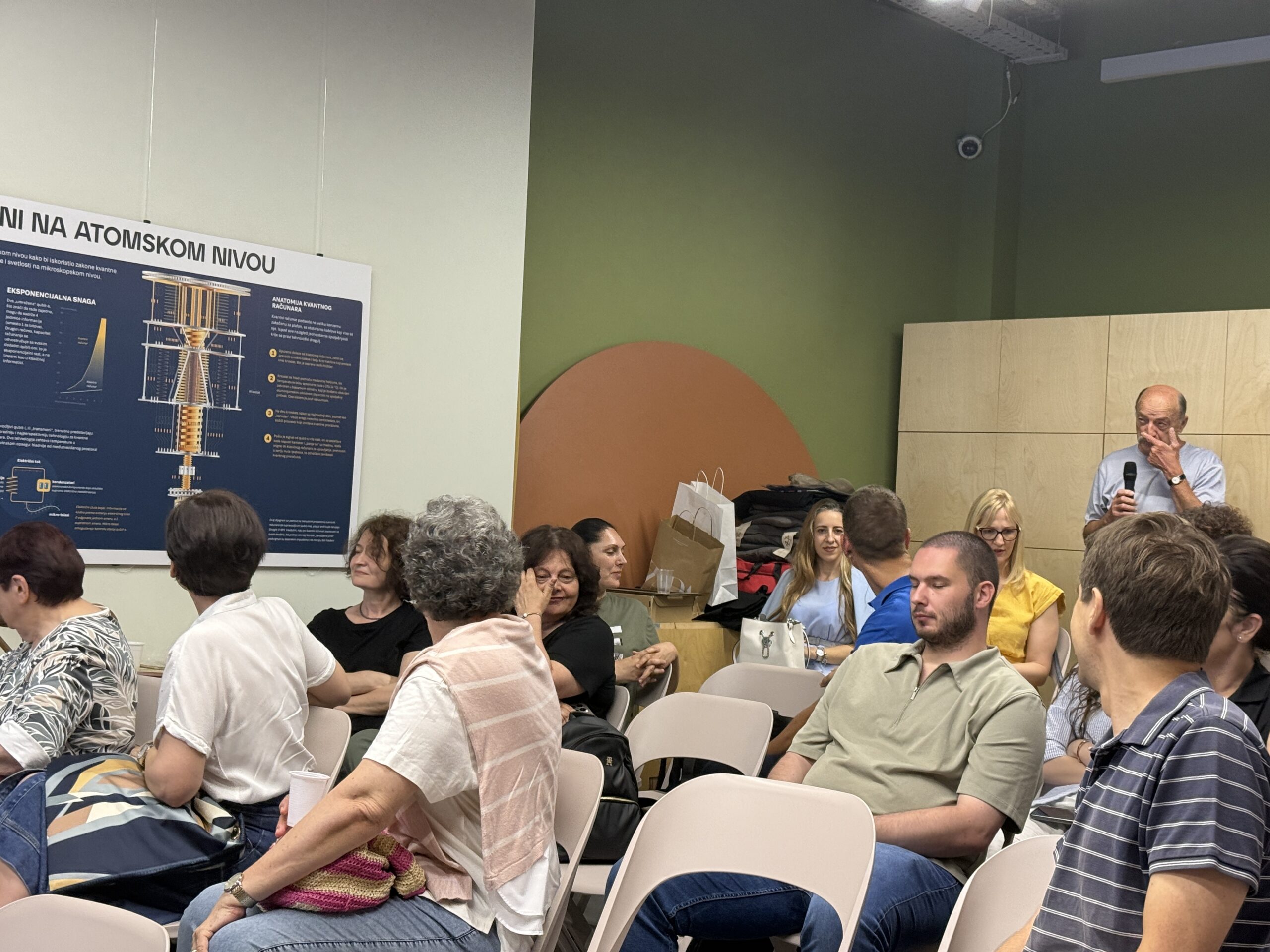
Discussion with the audience
The panel discussion was followed by a conversation with the audience, during which numerous questions were raised about the future development of spatial statistics, the application of GRID data in research, and the possibilities for their wider use in planning sustainable development. The discussion brought together, among others, representatives of the academic community and experts from government institutions working with spatial data.



The Demographic Forum panels continue to bring together researchers and experts from various fields, encouraging interdisciplinary dialogue on current demographic and development issues and bringing contemporary scientific knowledge closer to the wider public.
Photo & video: DDS
Published on July 11, 2026